
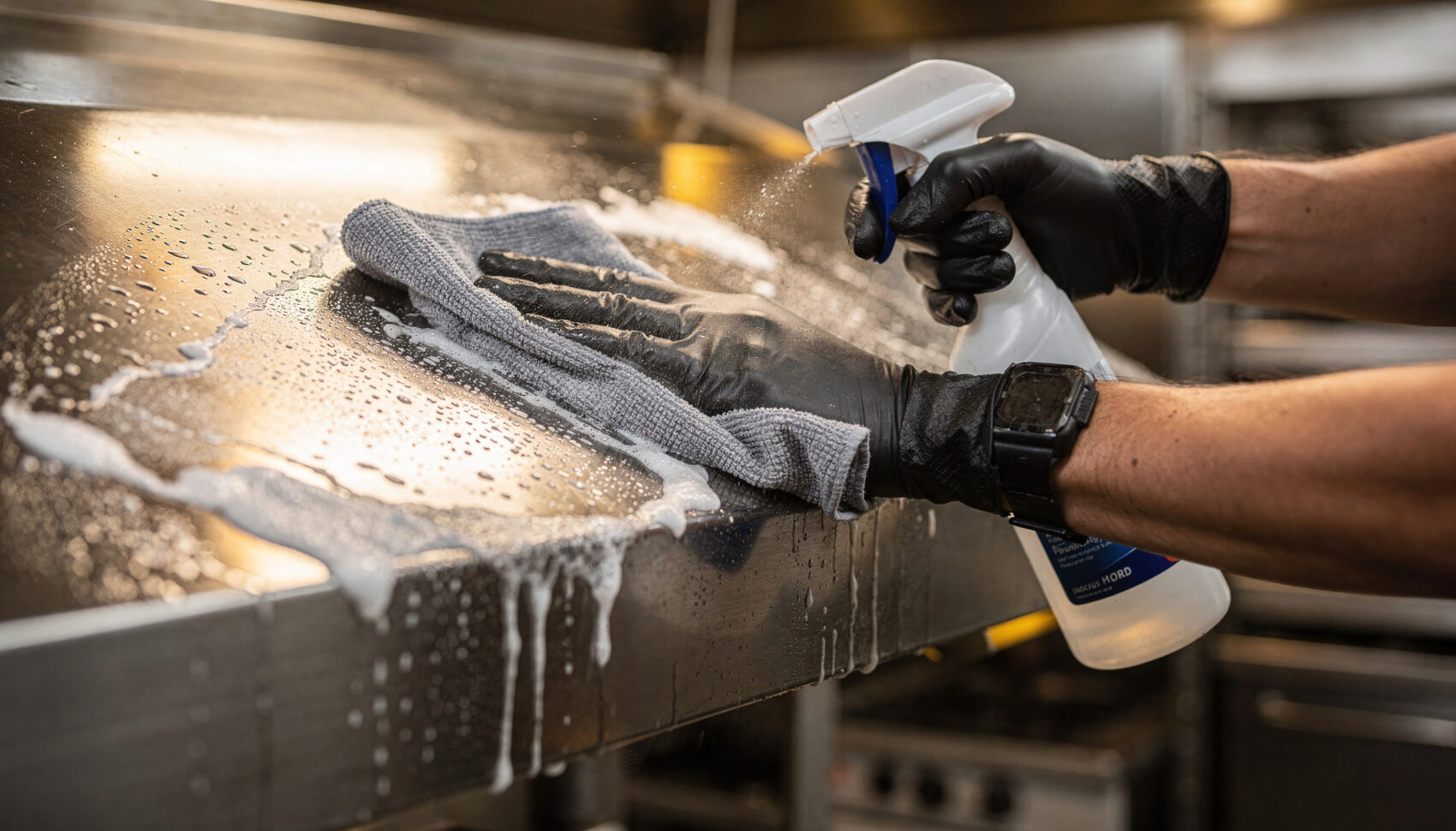
When discussing food safety, most people focus on cleaning surfaces, equipment, and food preparation areas. However, one critical aspect is often overlooked: the cleanliness of the cleaning equipment itself.
At Food Consulting Services (FCS), we regularly remind clients that cleaning tools are only effective if they are clean and sanitary. Dirty cloths, contaminated mops, and poorly maintained cleaning equipment can spread bacteria throughout a facility rather than remove it.
Proper cleaning equipment hygiene is an essential part of any food safety programme and plays a key role in maintaining compliance with hygiene standards and regulations.
Why Cleaning Equipment Hygiene Matters
Cleaning equipment comes into direct contact with floors, work surfaces, food preparation areas, and high-touch points throughout a facility.
If these tools are not properly cleaned and sanitised, they can:
- Spread bacteria and contaminants from one area to another
- Increase the risk of cross-contamination
- Harbour harmful micro-organisms
- Undermine cleaning and sanitising efforts
- Contribute to failed hygiene audits
Clean tools support clean kitchens and help create a safer environment for both staff and customers.
Disposable vs Reusable Cleaning Cloths
Cleaning cloths are one of the most frequently used items in any kitchen.
Disposable Cloths
Disposable cloths are generally the preferred option because they reduce the risk of cross-contamination and eliminate the need for laundering.
Reusable Cloths
Where reusable cloths are used, they should:
- Be washed daily using a suitable detergent
- Be soaked overnight in a chlorine sanitiser
- Be inspected regularly for wear and damage
- Be discarded immediately if frayed, torn, or excessively stained
Damaged cloths can trap dirt and bacteria, and loose fibres may contaminate food.
Pro Tip: Use colour-coded cloths for different areas, such as kitchens, washrooms, and front-of-house areas, to reduce cross-contamination risks.
Caring for Mops, Brooms, Brushes and Squeegees
Mops, brooms, brushes, and squeegees are often used multiple times a day but are frequently neglected when it comes to cleaning.
To maintain hygiene standards:
- Clean all equipment thoroughly with detergent at the end of each day
- Soak equipment overnight in a chlorine sanitiser
- Replace worn or damaged equipment immediately
- Inspect bristles and fibres regularly for signs of deterioration
Once fibres and bristles become worn, equipment becomes difficult to clean and less effective at removing dirt.
Pro Tip: Always hang mops and brooms to dry. Never leave them lying on the floor, where they can collect moisture and bacteria.
Keeping Buckets and Spray Bottles Clean
Cleaning equipment extends beyond cloths and mops.
Buckets, spray bottles, and sanitiser containers also require routine maintenance.
Best practice includes:
- Deep cleaning mop buckets and wringers weekly
- Cleaning and replenishing spray bottles regularly
- Keeping sanitiser containers clean and correctly maintained
- Clearly labelling all chemical containers
Never store chemicals in unlabelled containers or containers displaying incorrect labels. This creates both food safety and workplace safety risks.
Pro Tip: After cleaning, use mop buckets as sanitising containers for soaking mops and brushes overnight.
Additional Best Practices
To maintain a high standard of hygiene:
- Store cleaning equipment in a dedicated cleaning area
- Keep all equipment off the floor
- Store cleaning tools away from food and food preparation areas
- Allow equipment to dry fully between uses
- Train staff to clean cleaning equipment as part of daily closing procedures
- Maintain cleaning schedules and checklists as part of your hygiene records
Dirty Tools Spread Dirt
Cleaning equipment is designed to remove contamination, not redistribute it.
Using dirty cloths, contaminated mops, or poorly maintained cleaning equipment can increase the risk of foodborne illness, compromise hygiene standards, and damage your reputation during inspections and audits.
Small Habit, Big Impact
Keeping cleaning equipment clean may seem like a small task, but it has a significant impact on food safety.
By implementing daily and weekly cleaning routines for your cloths, mops, buckets, brushes, and spray bottles, you can:
- Improve hygiene standards
- Reduce cross-contamination risks
- Support HACCP programmes
- Maintain audit readiness
- Protect your customers and your business
At Food Consulting Services, we help businesses implement practical food safety systems that work. Sometimes the simplest improvements deliver the biggest results.


